Loading... Please wait...
Categories
Our Newsletter
- Home
- Fishing Nets
Fishing Nets
At Delta Net & Twine, we manufacture commercial fishing nets for aquaculture operations and commercial fishers throughout the United States. Based in Greenville, Mississippi—the heart of catfish country—we design and build most of our nets in-house to meet the specific demands of fish farming and commercial fishing operations.
Net Types
We manufacture and supply a comprehensive range of fishing nets built for durability and performance. Each type serves specific applications in commercial fishing and aquaculture operations.
Landing and Dip Nets
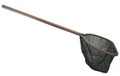
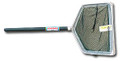
Our landing nets and dip nets are key tools for safely handling fish during harvest, grading, and transport. Available with telescoping handles that extend from 4 to 12 feet, these portable fishing nets feature knotless mesh options in nylon net or rubber netting. Knotless construction reduces scale damage and stress on fish—particularly important for live transport and catch-and-release operations. We offer mesh sizes ranging from 1/4 inch to 2 inches, allowing you to match the net to your fish species. Rubber netting works well for catch-and-release and delicate species, while nylon provides excellent durability for high-volume commercial use.
Seine Nets
Seine nets are workhorses in commercial fishing operations, particularly in aquaculture pond harvesting. We custom-manufacture seine nets to your pond dimensions and target species, with depths ranging from 4 to 20 feet and lengths from 50 to 500 feet or more. Our seine nets use heavy-duty nylon with reinforced lead lines and float lines to maintain proper net configuration during pulls. Mesh size typically ranges from 1 inch to 3 inches, depending on whether you're harvesting fingerlings or market-size fish.
Grader Nets
Grader nets allow you to sort fish by size efficiently during harvest operations. We build grader nets with precise mesh openings—standard sizes include 1 inch, 1.5 inches, and 2 inches—to separate fish into specific weight classes. This streamlines processing and ensures consistent market sizing. Our grader nets feature reinforced bar construction on high-stress areas to handle the weight of large harvests.
Trap Nets
Trap nets are a passive fishing method used in commercial operations. We design trap nets with fyke configurations and proper mesh sizing to target specific species while allowing undersized fish to escape. Lead lengths, pot diameters, and mesh sizes are customized based on your fishing location and target catch.
Why Choose Delta Net and Twine for Your Commercial Fishing Nets
We manufacture nets in Greenville, Mississippi, giving us direct control over materials, construction quality, and customization. When you order from us, you're working directly with the manufacturer—not a middleman. This means we can modify net dimensions, mesh sizes, and materials to match your specific operation. Our team includes individuals with decades of experience in catfish and tilapia farming who understand the practical challenges of fish handling and harvest.
We use commercial-grade nylon and polyethylene materials tested for UV resistance and durability in both freshwater and saltwater environments. Our nets feature reinforced stitching at stress points and heavy-duty hardware that withstands daily use. For operations requiring custom specifications—such as unusual pond shapes, specific mesh configurations, or special reinforcement—we can build to your exact requirements.
Ready to find the perfect fishing net for your operation? Browse our selection below or contact us at (662) 332-0841 to discuss custom options.
Commercial Fishing Nets FAQs
How Do I Choose the Right Mesh Size?
Mesh size selection depends on your target fish size and whether you need to grade or harvest. For catfish, 1-inch mesh works for fish under 1 pound, while 1.5 to 2-inch mesh suits market-size fish (1.5 pounds and up). Tilapia operations typically use 1 to 1.5-inch mesh depending on harvest size. Smaller mesh captures more fish but increases drag and cleaning time. A larger mesh allows faster water flow but may let undersized fish escape. For grading operations, select a mesh that separates at your specific weight breakpoints—we can help you calculate the right opening based on your target fish length and girth.
What Handle Length Is Best for Boat vs. Shore Fishing?
For boat fishing nets used on commercial vessels, 4 to 6-foot fixed handles provide better control when working from deck level or leaning over the gunwale. The shorter length prevents the handle from catching on equipment and gives you better leverage when lifting heavy fish. Shore fishing nets and pond-side operations benefit from 8 to 12-foot telescoping handles that extend your reach from elevated banks or across distances. Telescoping handles collapse for transport and storage—helpful when moving between multiple ponds. We recommend handles with locking mechanisms to prevent collapse under load.
How Can I Safely Clean and Store My Fishing Net?
Rinse your fishing net with fresh water after each use to remove organic matter, which breaks down nylon fibers over time. For nets used in saltwater or brackish environments, thorough rinsing prevents salt crystal formation, which can weaken the mesh. Hang nets fully extended in a shaded area to dry—bunched wet netting promotes mildew growth and accelerates material breakdown. Inspect mesh weekly for tears, paying attention to stress points where the net attaches to the frame or handle. Small tears spread quickly under load, so repair them immediately with nylon twine. Store nets in a cool, dry location, away from direct UV exposure, as UV light degrades nylon over time. Avoid storing knotless mesh nets compressed for more than a few days, as this can create permanent creases that affect net performance.
Call Us Now!

FOR INFO OR ADVICE
CALL (662) 332-0841